
Power of Polo and Hartpury University publish the first academic study of polo as an equine-assisted activity for vulnerable young people
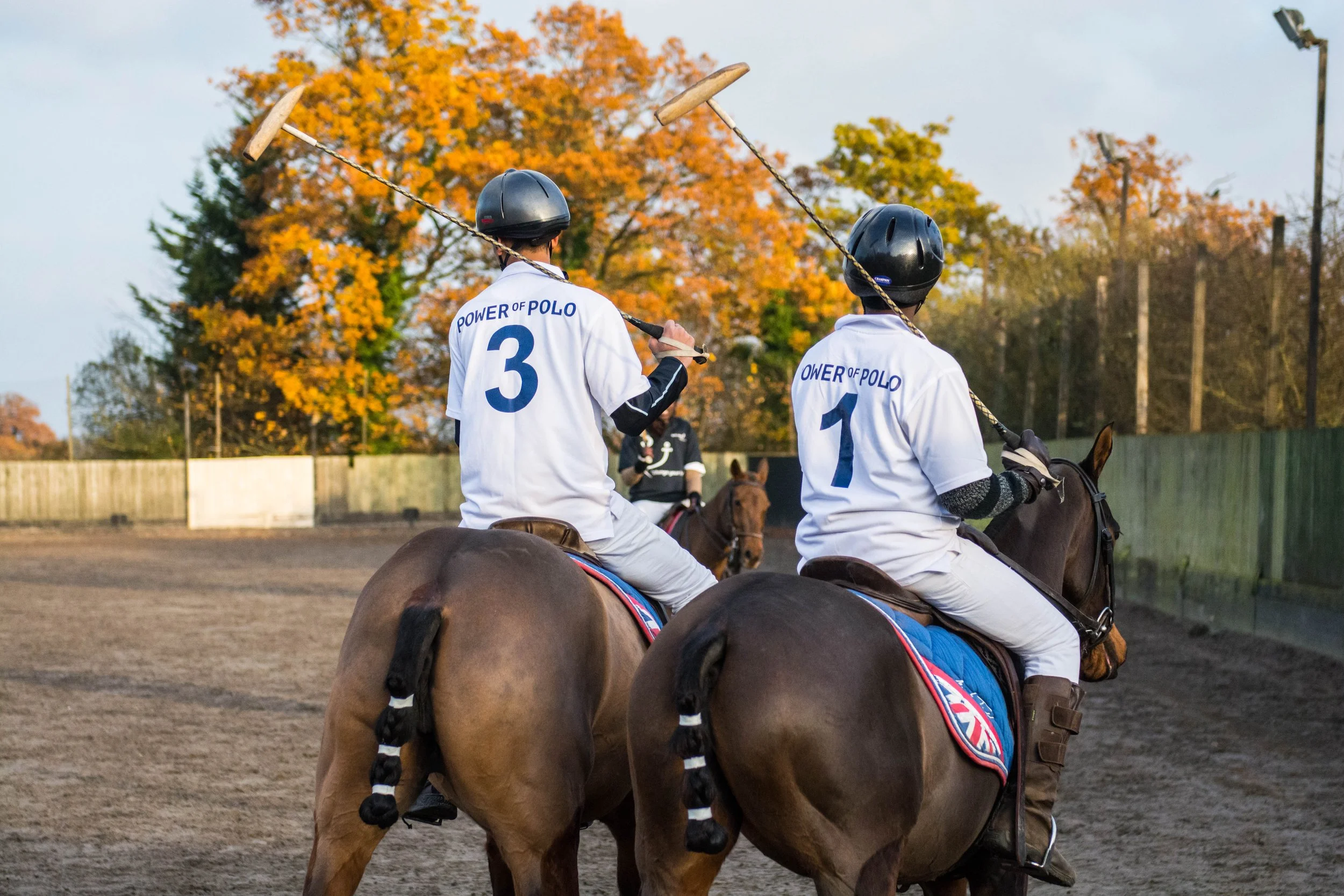
A pioneering academic study, developed through a collaboration between Power of Polo and Hartpury University, has explored the impact of polo as a specific equine-assisted activity for vulnerable young people.
The publication is an important milestone for Power of Polo, the UK charity that uses horses, polo and the polo community to create opportunity, connection and positive change. It brings independent academic scrutiny to a model developed through more than a decade of delivery and adds polo to the wider conversation about how equine-assisted activities and sport may support young people facing disadvantage and adversity.
The paper, “The Power of Polo: An exploration of the effects of a novel polo-based residential intervention programme for vulnerable youth populations,” examines the experiences of 33 young people aged 12 to 25 who took part in Power of Polo residential programmes delivered between 2015 and 2019 (Click here to read the article in full.)
Researchers identified three overarching themes: psychological benefits; social benefits; and ‘The Power of Polo’ itself. Participants reported perceived benefits relating to confidence, self-perception, mindset, teamwork and communication. The research also highlighted the combined importance of the horse-human relationship, learning new skills, playing as a team, experiencing visible achievement and being welcomed into the unfamiliar social environment of polo.
Dr Katy Hayward, Founder of Power of Polo, said: “This publication is an incredibly important moment for Power of Polo. We have seen, for many years, what can happen when young people, horses, polo and an extraordinary new environment come together. It also challenges the way people think about polo and shows that a sport that can sometimes be perceived as exclusive can become an environment for inclusion, connection and achievement. We now want to continue building the evidence with Hartpury, strengthening the model and working with more charity and polo partners so that many more people and communities can experience what polo and the polo community can offer. I would like to take this opportunity to thank all the participants and partners who were involved in this research.”
Opening the world of polo to create positive change
Power of Polo is a UK registered charity that uses horses, polo and the community surrounding the sport to create opportunities for people facing social, economic or health challenges.
At the heart of the charity is a simple idea: polo offers extraordinary experiences that can be used for wider social good. Horses, clubs, facilities, coaches, volunteers, events and networks can provide catalytic experiences that many people and communities would otherwise struggle to access.
Power of Polo does not seek to do this alone. The charity works with multiple charity, school and community partners, combining what the polo world can offer with their expertise, trusted relationships, participant support and understanding of need. In return the polo community can reach diverse groups of people nationally.
Anna Hall CEO of the Hurlingham Polo Association (HPA): “We are absolutely delighted by this pioneering research, which for the first time demonstrates how polo can not only deliver real benefits in confidence, teamwork, and communication, but truly change lives for people who are new to it. We’ve long believed in the positive impact polo has on our members, and this paper gives us valuable evidence of its power to change the lives of others, too. Power of Polo is an important charity doing incredible and innovative work, and we’re delighted to work with them to continue using polo as a sport for change."
Why the publication matters
The research is significant because, while equine-assisted activities have previously been associated with psychosocial benefits for vulnerable young people, there has been little research into activities that deliberately combine horse-human interaction with the structured demands of an equestrian team sport such as polo.
One participant commented: “I think the most important thing is psychological. It’s giving me a sense of, I guess, self-esteem and confidence. I think that’s the massive thing, my takeaway from polo”.
The study provides a credible academic foundation from which Power of Polo and Hartpury University can deepen the evidence, refine the model and explore its relevance for further partners and communities.
Consistent with other equine-assisted activities, participants described developing connections with their horses, while some spoke about overcoming an initial fear of horses and learning about trust through those relationships. In addition, the research also found particularly strong themes around confidence and achievement. Participants described becoming more willing to try new things, approaching challenges differently and feeling more confident in themselves. Their accounts also emphasised communication, supporting teammates and working collectively towards the programme tournament.
The research also explored participants’ perceptions of the wider unique polo environment. Most associated the sport with wealth, status and exclusivity. Following the programme, participants described feeling welcomed and accepted, including a changed perspective on a sport that had previously felt as though it was “not for me”.
For Power of Polo, the paper brings together an established delivery model, participants’ experiences of value, and independent academic research. It provides greater credibility for the charity’s model and for the potential of the sport to contribute to social impact.
Dr Emma Davies, Senior Lecturer (Research) Hartpury University: “We are delighted to see this research published. We know that horses and equestrian activities can offer wide-ranging physical, psychological and social benefits for participants, but there is a need for continued growth in the evidence base surrounding specific interventions. To our knowledge, the unique application of team-based equestrian sports, such as polo, within equine-assisted activities has received little research attention, making the work undertaken by Power of Polo particularly interesting. Collaborations between universities and charitable organisations are incredibly valuable in ensuring that research addresses real-world questions and generates evidence that can inform future practice and our understanding of the potential contribution of such activities. We look forward to continuing our collaboration with Power of Polo this year, working alongside our current postgraduate students to build on these initial findings and further explore participants’ experiences and the longer-term outcomes of engagement in their programmes.”
To listen to Dr Emma Davies and Dr Katy Hayward speak about the paper follow this link to hear the HAI podcast.
Publication details:
Full citation: Davies,Emma and De Jong,Sara and Wilson,Lucy and Hayward,Katy, hai.2026.0060, Human-Animal Interactions, doi:10.1079/hai.2026.0060, CABI, The power of polo: An exploration of the effects of a novel polo-based residential intervention programme for vulnerable youth populations, (2026)
DOI / article link: https://www.cabidigitallibrary.org/doi/10.1079/hai.2026.0060
Publication date: 11th November 2026
Acknowledgements:
The authors would like to acknowledge all participants who kindly took the time to be interviewed as part of the study. Thank you to the past and present Power of Polo team, the Hurlingham Polo Association, and the charity partners Juvenis, South Central Youth, High Trees Development Trust, and CHIVA. Special thanks to the donors and funders: the Rumsey Family, Amelie Draper, Outsourcing Inc., and Fran Bridgewater; polo clubs and their teams at Cool Hooves Polo, Fifield Polo Club, Westcroft Park Polo Club, Ham Polo Club, Druids Lodge Polo Club, Guards Polo Club, and the Royal County of Berkshire Polo Club; and the soldiers at Combermere Barracks.